This Colorado Ghost Town High in the Rockies Was Abandoned Almost Overnight
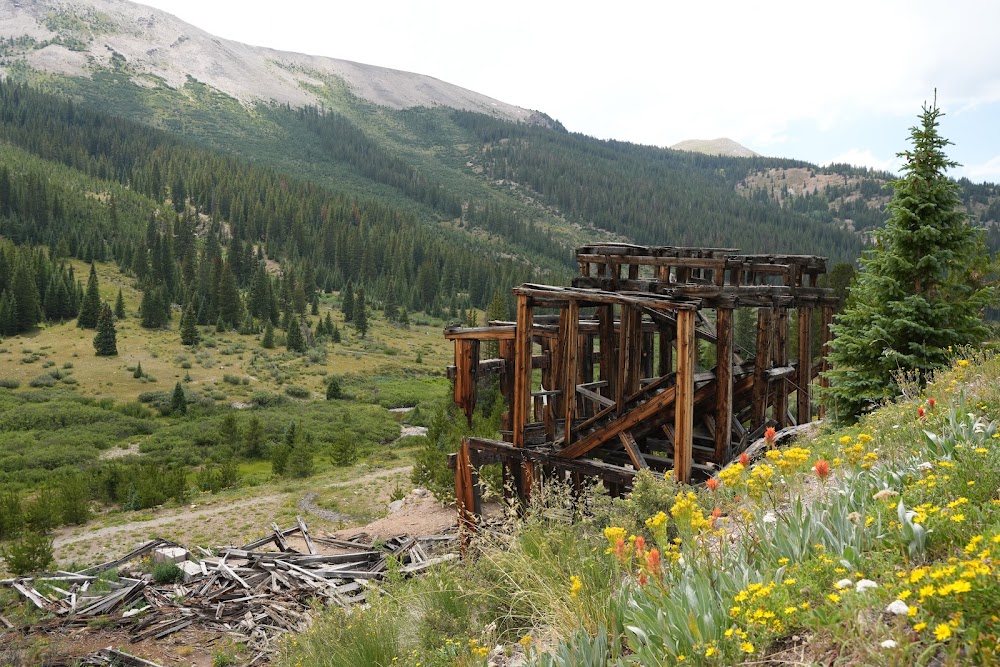
Imagine stepping back in time to the height of the Colorado gold rush, where the promise of fortune drew brave souls to the rugged, breathtaking beauty of the Rocky Mountains. High above the Roaring Fork Valley, nestled just below the Continental Divide, lie the weathered remains of a town that once buzzed with the excitement of discovery. Here, the air is thin, the views are endless, and the silence is broken only by the wind whistling through the skeletal frames of log cabins that have stood for over 140 years.
This isn’t just a collection of old buildings; it’s a tangible piece of American history, preserved against the odds in a harsh alpine environment. As you wander among the structures, you can almost hear the echoes of the past—the clatter of mining equipment, the chatter of prospectors in the general store, and the dreams of a community built on gold. It’s a place where you can walk the same dirt paths as the pioneers, touch the hand-hewn logs of their homes, and feel the powerful spirit of the Old West in a truly spectacular mountain setting.
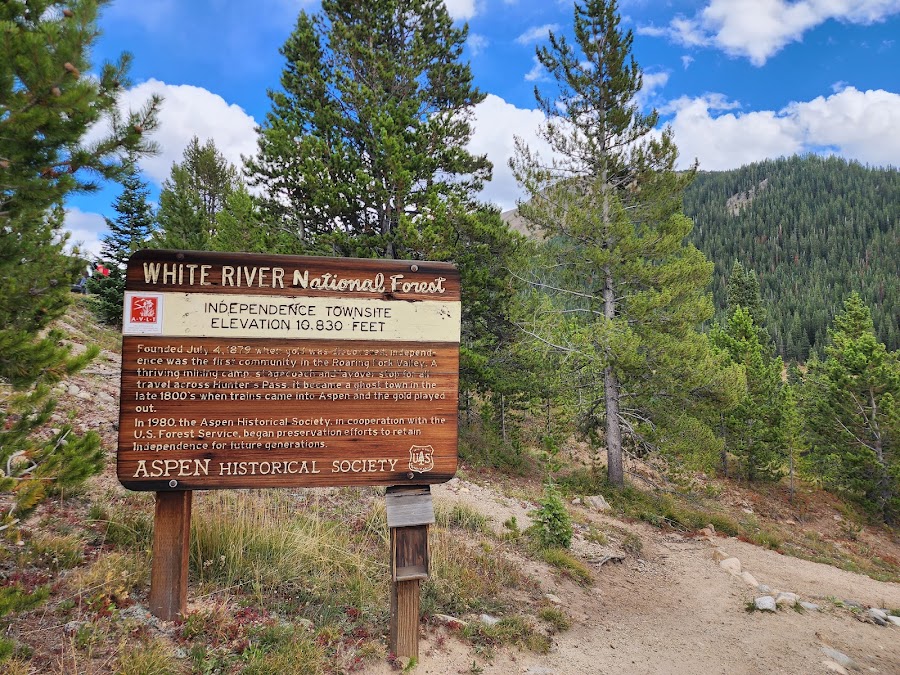
This incredible window into Colorado’s past is the **Independence Ghost Town**. Located just off the scenic Highway 82 near Aspen, it’s an accessible and fascinating stop for anyone traveling over Independence Pass. Prepare to be captivated by the stories etched into this historic landscape.
What We Love
Historic Log Cabins
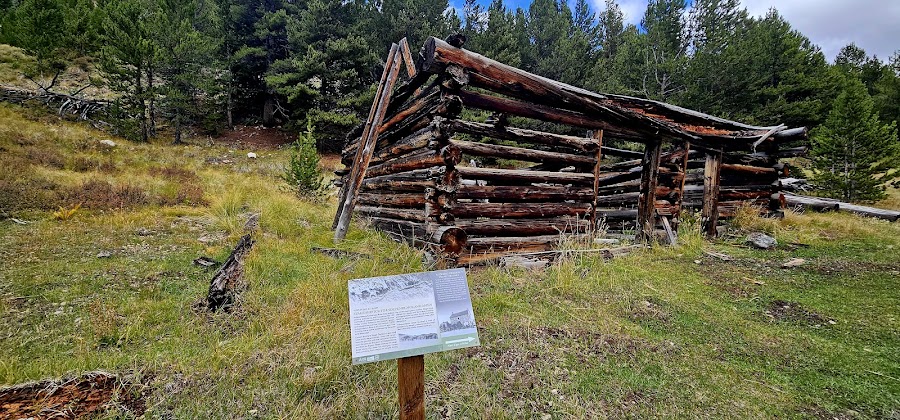
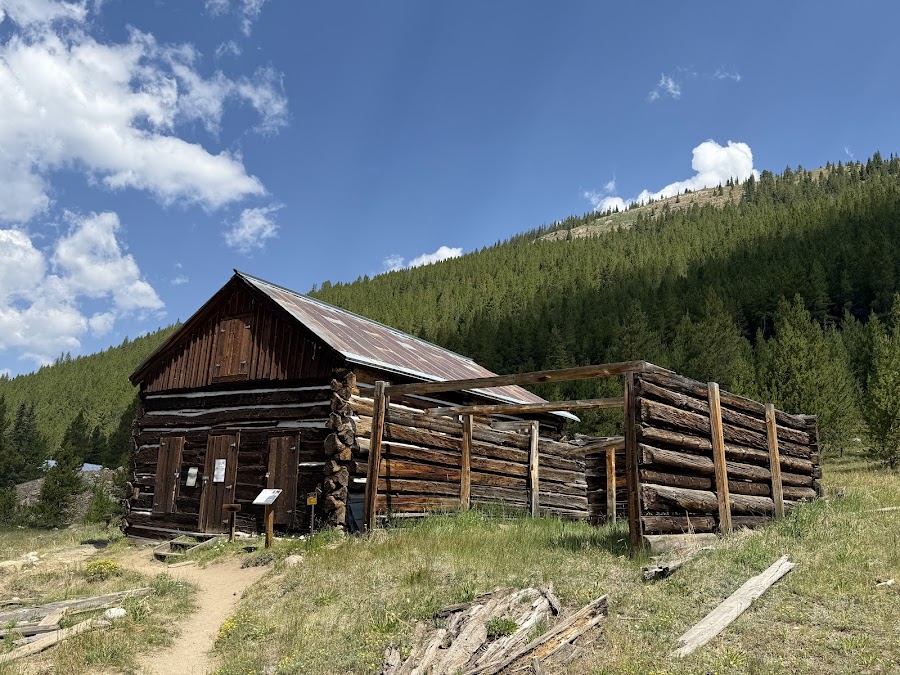
The heart and soul of Independence are the remarkably preserved log cabins and structures that dot the landscape. You can walk right up to and, in some cases, peer inside these historic buildings, imagining what life was like for the miners and their families who called this remote outpost home. From the former general store to the humble family dwellings, each building tells a story.
The craftsmanship is incredible, especially when you consider the tools and conditions of the 1880s. Notice the hand-hewn logs and the simple, sturdy construction designed to withstand brutal alpine winters. It’s a hands-on history lesson that feels far more real than any museum exhibit, connecting you directly to the people who lived and worked here.
Stunning Scenery
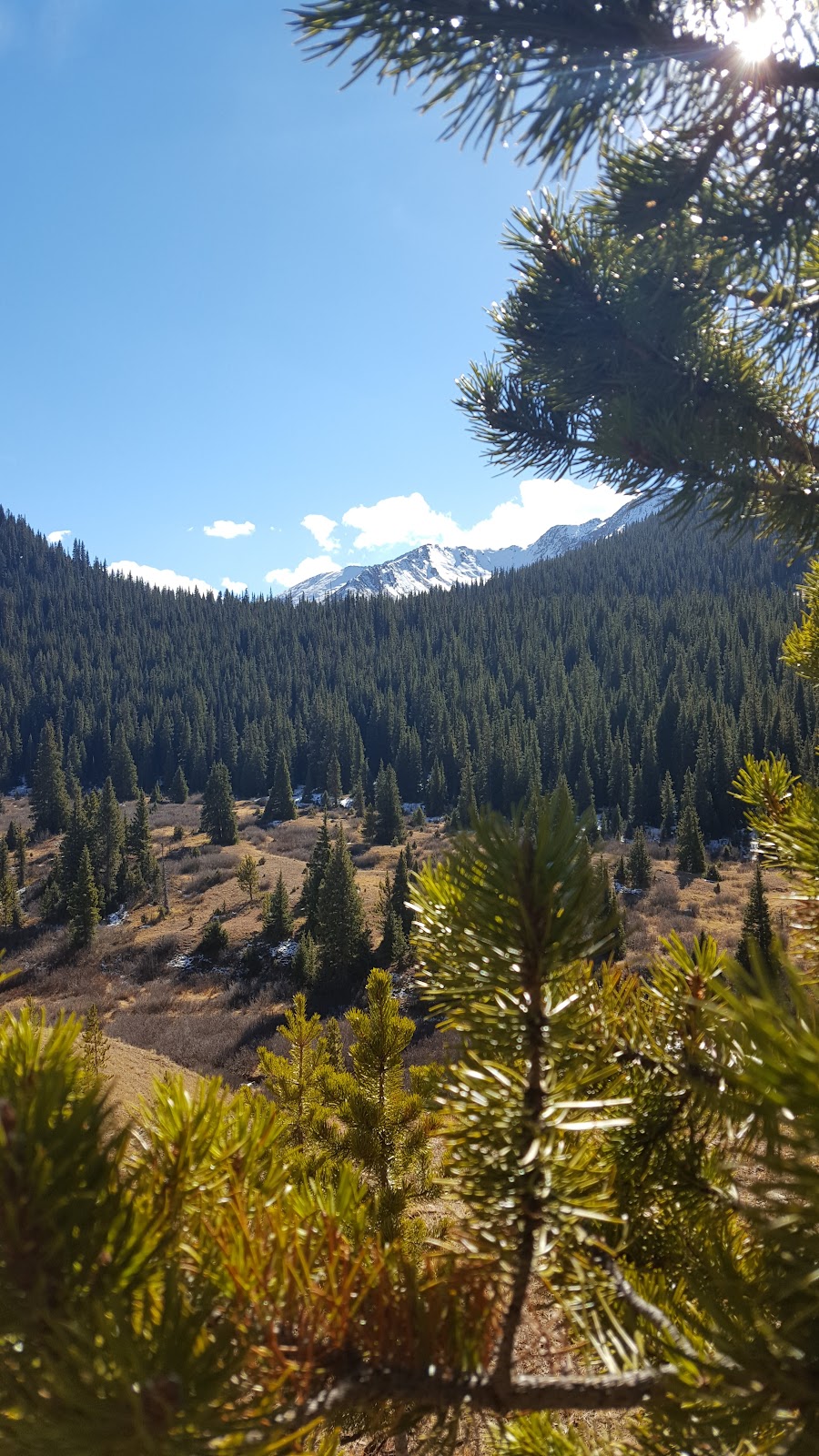
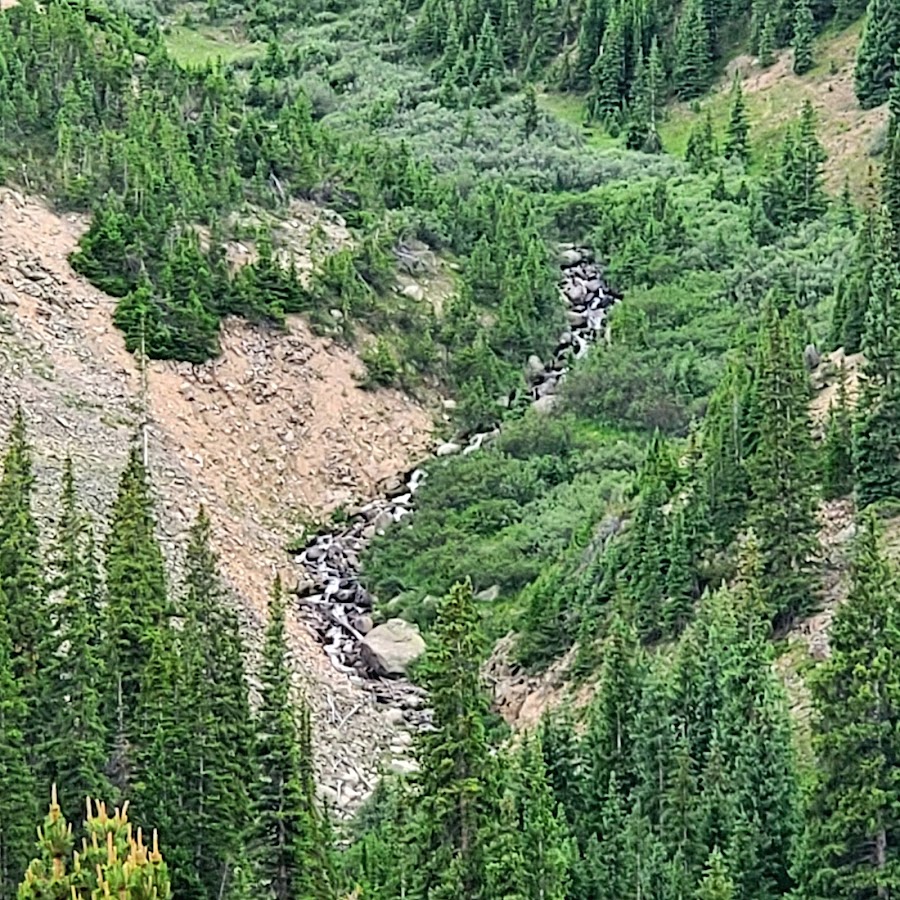
Let’s be honest, you could come here just for the views and leave completely satisfied. The ghost town is situated in a breathtaking alpine valley, surrounded by the towering peaks of the Sawatch Range. The Roaring Fork River rushes nearby, providing a soothing soundtrack to your explorations.
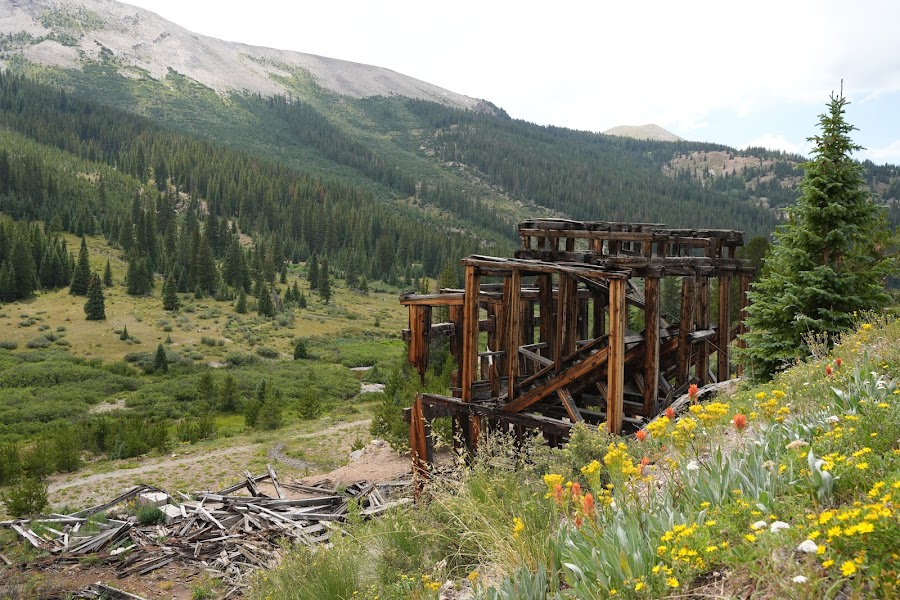
In the summer, the valley is carpeted with vibrant green grasses and colorful wildflowers, creating a stunning contrast with the weathered gray wood of the cabins. It’s a photographer’s dream and a nature lover’s paradise. The combination of dramatic history and jaw-dropping natural beauty is what makes this place truly unforgettable.
Interpretive Trail
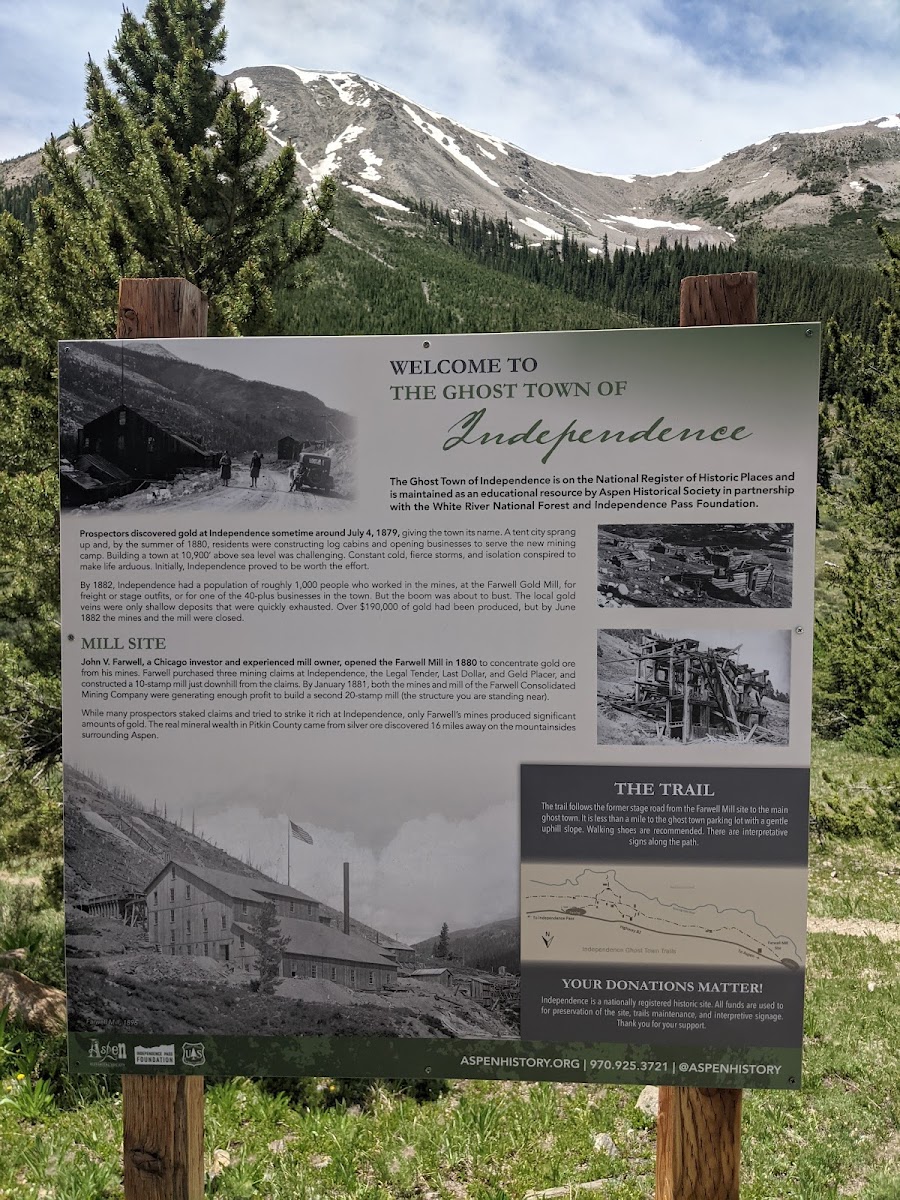
You’re not just left to wander and wonder. The site features a fantastic interpretive trail with well-placed signs that bring the town’s history to life. These plaques provide fascinating details about the different buildings, the people who lived here, and the rise and fall of the mining camp.
The trail guides you through the main points of interest, ensuring you don’t miss key structures like the Farwell Stamp Mill or the stables. It’s an easy, mostly flat walk that makes the site accessible and engaging for visitors of all ages, turning a simple stroll into an educational adventure.
A Perfect Road Trip Stop
Driving over the scenic Independence Pass is a classic Colorado experience, and this ghost town is the perfect place to stop, stretch your legs, and soak in the high-country atmosphere. It’s located right off the highway, making it an incredibly convenient and rewarding detour.
Instead of just pulling over at a scenic overlook for a quick photo, you get to immerse yourself in a fascinating historical site. It breaks up the drive beautifully and adds a memorable, enriching experience to your journey between Aspen and the Twin Lakes area.
The Sense of Discovery
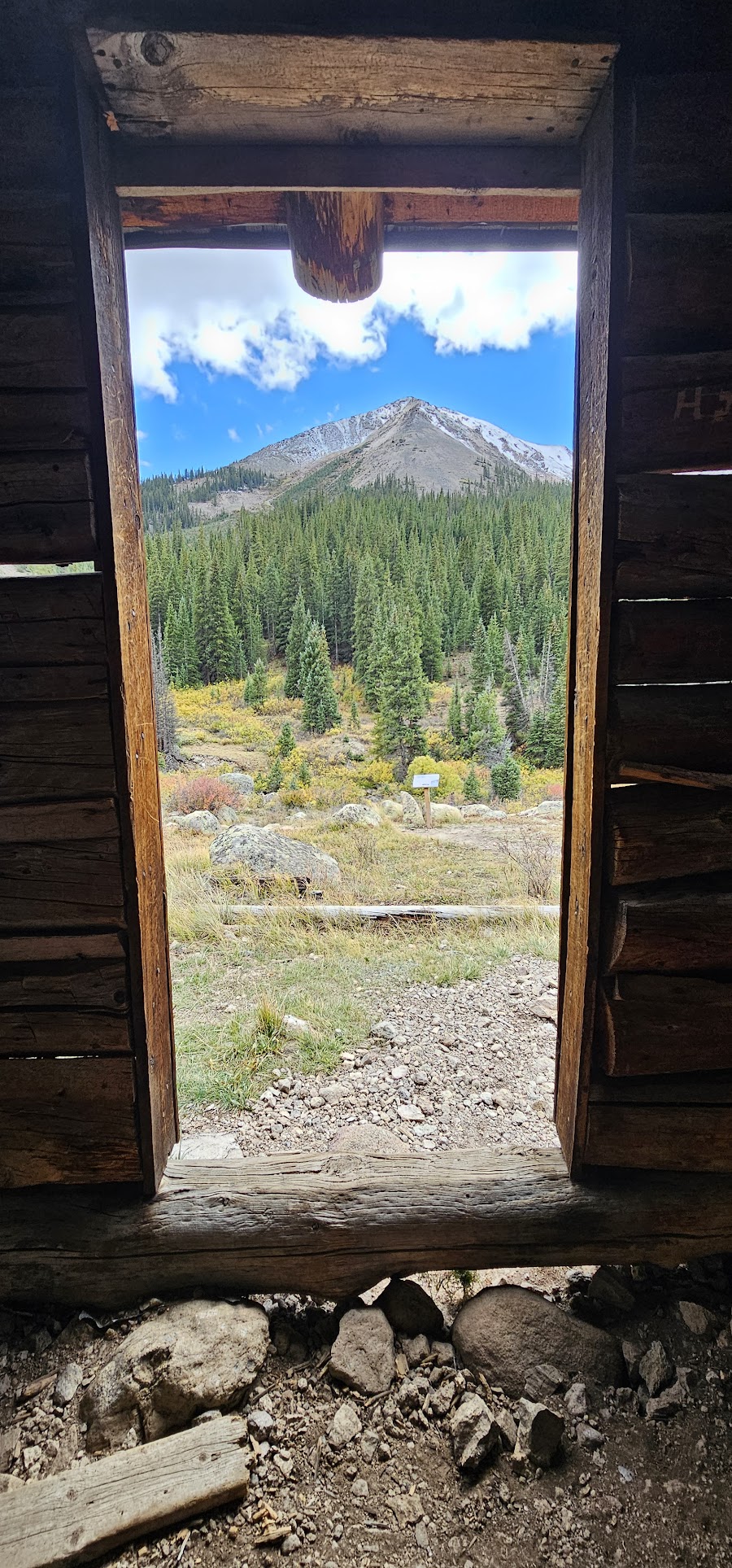
There’s a genuine thrill to exploring Independence. Because it’s an open, archaeological site rather than a polished tourist town, you feel like a true adventurer. Peeking through a window of a long-abandoned cabin or spotting a rusted piece of mining equipment half-buried in the grass gives you a real sense of discovery.
It’s a place that sparks your imagination. You can easily spend an hour or more just wandering, pondering the hardships and triumphs of the people who carved out a life in this remote and challenging place. It’s an authentic, un-commercialized glimpse into a rugged chapter of Colorado’s history.
Atmosphere & Setting
The atmosphere at Independence is one of quiet reverence and wild beauty. Standing at nearly 11,000 feet, you’re surrounded by the immense scale of the Rocky Mountains. The air is crisp and clean, and the only sounds are the rushing river, the wind, and the occasional chirp of a marmot. It feels both peaceful and powerful, a place where nature is slowly reclaiming what was once a bustling town.
The setting is raw, authentic, and completely immersive. There are no gift shops or snack bars here—just the historic structures and the stunning natural landscape. This lack of commercialism is key to its charm, allowing you to connect with the history of the place on a deeper, more personal level. It’s a serene and contemplative environment that encourages you to slow down and simply take it all in.
Value (Is It Worth It?)
Absolutely! The best part about visiting Independence Ghost Town is that it’s completely free to explore. Managed by the Aspen Historical Society, this incredible piece of history is open to the public without an admission fee, though donations are always appreciated to help with preservation. This makes it one of the best value attractions in the entire Aspen area.
For the price of a short detour off the highway, you get a priceless experience: a fascinating history lesson, a beautiful nature walk, and photo opportunities that are second to none. It’s a perfect activity for families, history buffs, and anyone looking for an authentic Colorado adventure without breaking the bank. The value here isn’t just monetary; it’s in the rich, memorable experience you’ll take with you.
Other Considerations
Seasonal Access: Independence Pass (Highway 82) is closed during the winter, typically from early November to late May. You can only access the ghost town by car when the pass is open, so plan your visit for the summer or early fall.
High Altitude: The site is at a high elevation (around 10,900 feet). Be sure to bring water, wear sunscreen, and take it easy if you’re not acclimated to the altitude. The weather can also change in an instant, so a jacket is always a good idea.
Facilities: This is a rustic, historic site. There are basic restroom facilities available, but no food, water, or other services. Be sure to pack in and pack out everything you bring with you.
Accessibility: The main interpretive path is a relatively flat, well-maintained dirt and gravel trail, making it accessible for most visitors. However, exploring off the main path will require navigating uneven, natural terrain.
Parking: There is a dedicated parking lot right off the highway at the entrance to the site. It’s easy to spot and can accommodate a decent number of cars, but it can get busy during peak summer weekends.
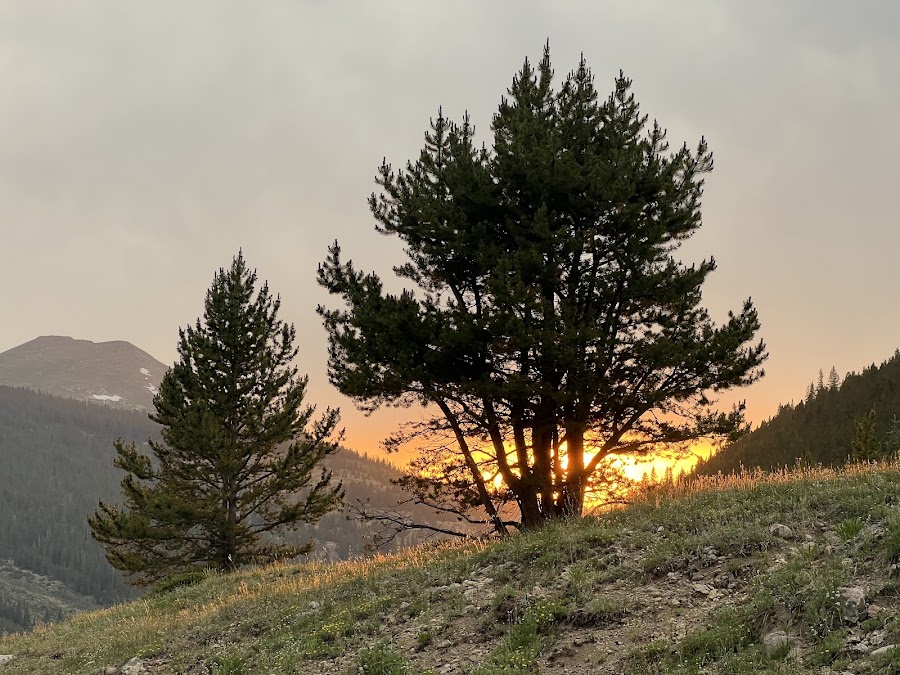
If you’re making that gorgeous drive over Independence Pass, you absolutely have to make a stop here. It’s more than just a quick look at some old buildings; it’s a chance to stand in the middle of history, surrounded by some of the most spectacular scenery Colorado has to offer. It’s a place that quiets your mind and fills you with a sense of wonder.
So next time you’re in the area, carve out an hour to wander through the past. You’ll leave with a greater appreciation for the resilience of the human spirit and a camera roll full of incredible photos. It’s a simple, beautiful, and truly memorable Colorado experience that you won’t regret.